


প্রতিটি ব্যাটারি স্টোরেজ প্রস্তাব চুক্তিভিত্তিক নথিগুলির একটি চিত্তাকর্ষক স্ট্যাক নিয়ে আসে - পণ্যের ওয়ারেন্টি, কর্মক্ষমতা গ্যারান্টি, পরিষেবা চুক্তি, ক্ষমতা রক্ষণাবেক্ষণের সময়সূচী - এবং বেশিরভাগ ক্রেতারা উপস্থাপিত ক্রমে সেগুলিকে ওভারল্যাপ করে ধরে নিয়ে স্বাক্ষর করে৷ তারা না. তারা দুটি সম্পূর্ণ ভিন্ন প্রশ্নের উত্তর দেয়, এবং তাদের মধ্যে পার্থক্য হল যেখানে হাজার হাজার ডলারের চুক্তি মূল্য শান্তভাবে অদৃশ্য হয়ে যায়।
একটি পণ্য ওয়ারেন্টি উত্তর:যদি সরঞ্জাম ভেঙ্গে যায়, কে এটি ঠিক করে এবং কে অর্থ প্রদান করে?একটি কর্মক্ষমতা গ্যারান্টি উত্তর:যদি সরঞ্জামটি কখনই ভাঙ্গে না কিন্তু তবুও কম বিতরণ করে, কে আমাকে ক্ষতিপূরণ দেবে?একটি সিস্টেম তার ওয়্যারেন্টি সম্পূর্ণরূপে সন্তুষ্ট করতে পারে এবং এখনও তার মালিককে আর্থিকভাবে ব্যর্থ করতে পারে - প্রতিটি উপাদান কার্যকরী, কিছুই ত্রুটিপূর্ণ নয় এবং তবুও ব্যবসায়িক ক্ষেত্রে অনুমান করা থেকে 11% কম শক্তি সরবরাহ করে। ওয়ারেন্টি সাহায্য করবে না। শুধুমাত্র গ্যারান্টি পারে।
এই নিবন্ধটি দুটি যন্ত্রকে আলাদা করে, ব্যাখ্যা করে কী গুরুতরকর্মক্ষমতা গ্যারান্টি ব্যাটারিচুক্তি আসলে পরিমাপ করে, এবং দেখায় কিভাবে দুটি নথি একটি RFQ এবং একটি EPC চুক্তিতে একসাথে ফিট করে। এটি আমাদের RFQ টেমপ্লেট এবং TCO ক্যালকুলেটর গাইড-এর সাথে সম্পর্কিত - এই চুক্তিগুলি শেষ পর্যন্ত লেখা হয়।

মূল পার্থক্য
একটি পণ্য ওয়্যারেন্টি সম্পর্কে একটি বিবৃতিগুণমান. এটি বলে যে সরঞ্জামগুলি সঠিকভাবে তৈরি করা হয়েছিল, এবং এটি একটি নির্দিষ্ট সময়ের মধ্যে উপকরণ বা কাজের ত্রুটির কারণে ব্যর্থ হওয়া উপাদানগুলি মেরামত বা প্রতিস্থাপন করতে বিক্রেতাকে প্রতিশ্রুতি দেয়। এটি একটি ব্যর্থতার ঘটনা দ্বারা ট্রিগার হয়: একটি মডিউল যোগাযোগ বন্ধ করে দেয়, একটি বৈদ্যুতিন সংকেতের মেরু বদল বোর্ড মারা যায়, একটি ঘের সীল ফাঁস হয়। প্রতিকারটি সাধারণত বিক্রেতার খরচে মেরামত বা প্রতিস্থাপন করা হয়।
একটি কর্মক্ষমতা গ্যারান্টি সম্পর্কে একটি বিবৃতিফলাফল. এটি বলে যে সিস্টেমটি, সংজ্ঞায়িত সীমার মধ্যে ইনস্টল করা এবং চালিত হিসাবে, কার্যক্ষমতার একটি পরিমাপযোগ্য স্তর সরবরাহ করবে - একটি রাউন্ড-ট্রিপ দক্ষতা, একটি প্রাপ্যতা শতাংশ, একটি শক্তি থ্রুপুট, ভবিষ্যতের তারিখে একটি ক্ষমতা। এটি একটি ব্যর্থতার ঘটনা দ্বারা নয় বরং একটি পরিমাপ দ্বারা ট্রিগার হয়: এক চতুর্থাংশ বা এক বছরেরও বেশি সময় ধরে, সিস্টেমটি প্রতিশ্রুতির চেয়ে কম বিতরণ করেছে। প্রতিকার হল সাধারণত ক্ষতিপূরণ, একটি পরিষেবা ক্রেডিট, বা একটি সংশোধনমূলক কর্ম পরিকল্পনা।
পার্থক্য গুরুত্বপূর্ণ কারণ ব্যর্থতার মোড ভিন্ন। একটি ত্রুটিপূর্ণ মডিউল দৃশ্যমান এবং সংশোধনযোগ্য। একটি সিস্টেম যা ত্রুটিহীনভাবে চলে কিন্তু মডেলের চেয়ে দ্রুত অধঃপতনের দিকে চলে যায়, অথবা দীর্ঘস্থায়ী ছোটখাটো ভ্রমণের জন্য দুই শতাংশ প্রাপ্যতা হারায়, অথবা একটি থার্মাল ডিজাইনের কারণে বিলুপ্ত হয়ে যায় যা শুধুমাত্র উষ্ণতম দিনগুলিতে স্থবির হয়ে পড়ে - এর কোনোটিই ওয়ারেন্টি দাবিকে ট্রিগার করে না। যন্ত্রপাতি কাজ করে। এটি আপনার জন্য অর্থ প্রদানের চেয়ে কম কাজ করে।
ওয়্যারেন্টিগুলি শিল্প জুড়ে প্রমিত এবং তুলনামূলকভাবে সহজ। গ্যারান্টিগুলি নির্ধারিত হয়, আলোচনা করা হয় এবং যেখানে প্রকৃত অধ্যবসায় ঘটে।
কি একটি কর্মক্ষমতা গ্যারান্টি আসলে পরিমাপ
একটি গুরুতর গ্যারান্টি অল্প সংখ্যক মেট্রিকের উপর নির্মিত, প্রতিটি একটি সংজ্ঞায়িত পরিমাপ পদ্ধতি সহ। যদি একটি প্রস্তাব একটি পরিমাপ পদ্ধতি ছাড়া একটি গ্যারান্টি অফার করে, এটি একটি বিপণন বিবৃতি, একটি চুক্তি নয়।
রাউন্ড ট্রিপ দক্ষতাশোষিত শক্তিতে সরবরাহ করা শক্তির অনুপাত, একটি সংজ্ঞায়িত সীমানায় পরিমাপ করা হয় - সাধারণত ট্রান্সফরমারের উচ্চ-ভোল্টেজ বা পিসিএসের এসি টার্মিনালগুলিতে। সীমানা অত্যন্ত গুরুত্বপূর্ণ: DC টার্মিনালে পরিমাপ করা একটি গ্যারান্টি আন্তঃসংযোগের AC পয়েন্টে পরিমাপ করা একটি থেকে দুই থেকে চার শতাংশ পয়েন্ট বেশি পড়বে, কারণ ট্রান্সফরমার এবং সহায়ক ক্ষতি পরিমাপ থেকে অদৃশ্য হয়ে যায়। সর্বদা জিজ্ঞাসা করুন মিটারগুলি কোথায়।
প্রাপ্যতাঅপারেটিং সময়কালে সিস্টেমটি তার রেট করা ফাংশন প্রদান করতে সক্ষম সময়ের শতাংশ। লড়াইয়ের সংজ্ঞা হল বিভ্রাট হিসাবে গণনা করা হয়: একটি আংশিক ডিরেটিং 80% উপলব্ধ হিসাবে গণনা করা হয়? একটি গ্রিড ইভেন্ট সময় একটি ট্রিপ গণনা? নির্ধারিত রক্ষণাবেক্ষণ গণনা করা হয়, এবং প্রতি বছর কত ঘন্টা অনুমোদিত? উদার বর্জন সহ একটি 97% প্রাপ্যতার গ্যারান্টি টাইটগুলির সাথে 95% গ্যারান্টির চেয়ে কম মূল্যের হতে পারে।
শক্তি থ্রুপুট বা ক্ষমতা ধরে রাখা is the deepest guarantee and the hardest to draft. Two forms exist. A throughput guarantee commits that the system will deliver a cumulative MWh over a period without exceeding a defined state-of-charge window and C-rate. A capacity guarantee commits that the system will retain a stated percentage of its original usable capacity at defined milestones - year 5, year 10 - with an option for augmentation. The capacity form is more valuable to the owner because it maps directly onto the revenue model; the throughput form protects the vendor against how the owner cycles the system.
Each metric needs a baseline, a metering point, a measurement interval, and a data source the parties agree on in advance. This is exactly the measurement and verification discipline described in our C&I EMS article - the same telemetry that runs the dispatch also proves or disproves the guarantee.

Every guarantee excludes conditions the vendor cannot control, and the negotiation is really about where those exclusions sit. The standard set looks innocuous until a specific situation appears.
Grid events: a voltage sag or frequency excursion that trips the system is usually excluded, which is reasonable - but the ride-through settings that caused the trip were configured at commissioning, and a badly tuned setting becomes a vendor-protected chronic outage. The contract should distinguish between grid events and misconfiguration.
Owner-directed operation: cycling outside agreed C-rate, temperature or state-of-charge windows can void or proportionally reduce the guarantee. This is fair, and it is also why the operating envelope must be realistic: a guarantee written around 0.5C daily cycling will not survive an asset manager who discovers frequency regulation in year two. Decide the envelope before signing, not after.
Third-party dispatch and market participation: if an aggregator controls the system, guarantee liability gets complicated. Allocate it explicitly - typically the guarantee survives with adjusted throughput assumptions, or converts to an availability-only guarantee.
Force majeure and utility curtailment: standard, but confirm that prolonged utility-imposed export limits pause the guarantee clock rather than simply excusing the shortfall.
The test for each exclusion is the same: who bears the risk when this specific situation occurs, and is that allocation reflected in the price? An exclusion is not a problem - an unpriced, unrecognised one is.
When a guarantee is missed, the remedy is what the contract says it is, and the range is wide.
Liquidated damages are cash: a defined payment per percentage point of shortfall, or per point of availability missed. They are clean, bankable, and the preferred form for project-financed deals where lenders want certainty.
Service credits are contractual discounts on future O&M or service charges. They are easier to negotiate but worth less than face value, since they depend on the ongoing relationship.
Corrective action plans commit the vendor to fix the cause - augmentation, component upgrades, control changes - rather than pay. For a genuine degradation problem, augmentation is often worth more than damages, because it restores the revenue stream. The best contracts offer the owner the choice.
What to resist is the remedy that consists entirely of "vendor will use reasonable efforts." A guarantee without a quantified remedy is a warranty in disguise, and the distinction this article exists to draw collapses.
While the guarantee carries the outcome risk, the warranty still matters - and its fine print determines what happens between guarantee milestones.
Capacity retention curves: most lithium warranties state a capacity percentage at defined years - commonly something like 70% at year 10 for the original usable energy. Check whether the percentage applies to the original nameplate or the warranted initial usable capacity, which can differ by the depth-of-use margin.
Cycle versus calendar terms: warranties are often limited by whichever comes first - years, cycles, or throughput. A system in a high-cycling application can exhaust its cycle allowance years before the calendar term, leaving the guarantee to carry the tail. Model the duty cycle against both limits; our TCO calculator article explains how the duty assumptions drive this.
Pro-rata replacement: many warranties replace failed modules at depreciated value after a certain year, meaning the owner funds part of the replacement. Understand the depreciation schedule before assuming "replacement" means free.
Exclusions again: improper maintenance, operation outside the envelope, and unauthorised modifications are the standard voids. Keep the maintenance records that prove compliance - the warranty is only as good as the documentation behind it.
In a well-structured procurement, the warranty and the guarantee divide the risk landscape cleanly.
The warranty covers component defects for the system's life, with clear terms on replacement value and response times. The guarantee covers system-level outcomes for an initial term - commonly five to ten years - with metrics, measurement boundaries, exclusions and remedies defined as above. The service agreement bridges the two, specifying the maintenance regime, spare parts holding, and response times that keep both instruments valid.
Three drafting points tie them together. First, the measurement boundary for the guarantee should match the revenue metering point - otherwise the owner pays for losses the guarantee ignores. Second, the guarantee's operating envelope must match the duty cycle in the financial model, not a sales-engineer's optimistic assumption; our RFQ template includes the duty profile for exactly this purpose. Third, guarantee milestones should align with the refinancing or equity review points in the project's structure, because that is when someone will actually measure them.
One caution belongs here: contract terms, remedy structures and enforceability vary by jurisdiction and by the law governing the agreement. This article describes market practice, not legal advice - the specific language should come from counsel familiar with the governing law and with battery projects.
Faced with two proposals at different prices, the discriminating question is not "does it have a warranty" - they all do. It is this: "Show me the guarantee metrics, the measurement point, the exclusions, and the remedy, as contract language - not as a brochure."
Vendors with strong field data answer with pages. Vendors selling hope answer with a phone call to their legal team. The response itself is diligence data, and it costs nothing to ask.
A contract, done properly, is the difference between owning an asset and owning an aspiration. The warranty keeps the hardware honest. The guarantee keeps the business case honest. Sign them together, measure them with the same meters, and neither document will ever surprise you.

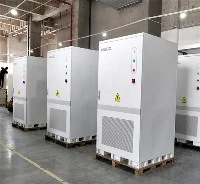
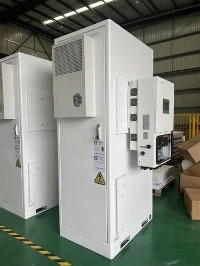
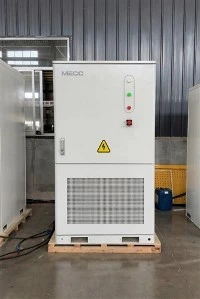
125KW 241kWh Battery Energy Storage System Cabinet
The BESS 125KW 241kWh Lithium Battery Energy Storage Cabinet is a high-power, large-capacity integrated energy storage solution engineered for medium-to-large commercial, industrial, and utility-scale applications. It integrates a 125kW high-performance bidirectional inverter, a 241kWh lithium iron phosphate (LiFePO4) battery bank, and a full-featured intelligent energy management system (EMS) into a modular cabinet design. This system enables efficient renewable energy storage, peak shaving, load shifting, grid frequency regulation, and emergency backup power supply. Ideal for large factories, shopping malls, industrial parks, utility-scale solar/wind farms, and microgrids, it enhances energy independence, reduces high grid demand charges, and supports the stable integration of high-penetration renewable energy into the grid.